Source Adjustable Anti Slip Workout Box for Training, Fitness, and Exercise
Compare 30 adjustable anti slip workout box options from verified suppliers. These units support jump training, plyometric exercises, and general fitness routines with customizable sizes and durable construction.
Key considerations
Products List






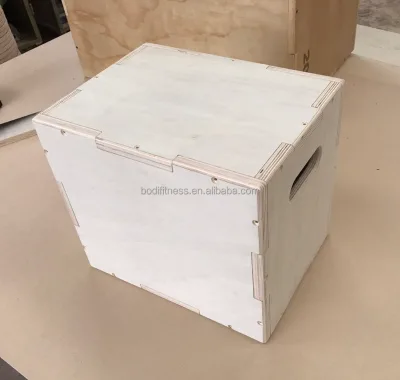


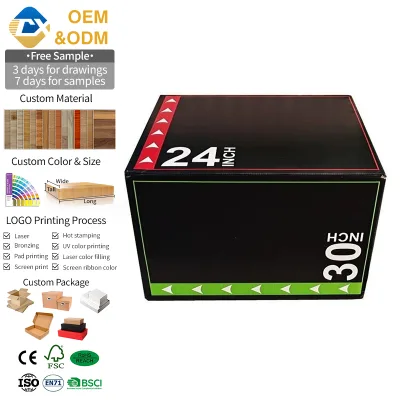
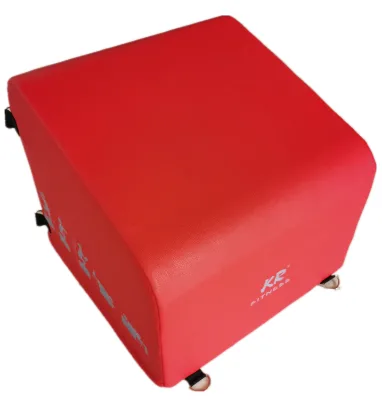
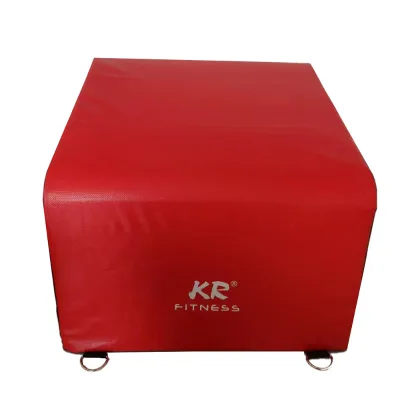


Comprehensive Sourcing Guide
Strategic Sourcing Guide for Adjustable Anti-Slip Workout Boxes
Understanding Product Variants and Core Specifications
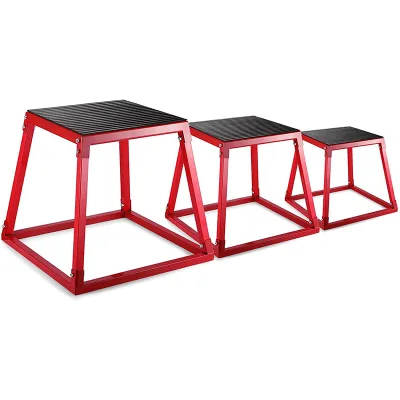
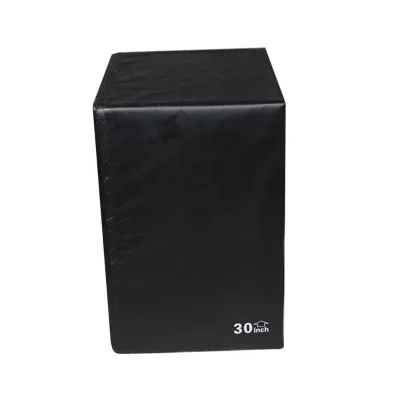
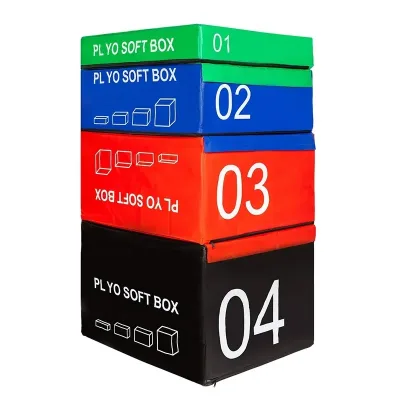
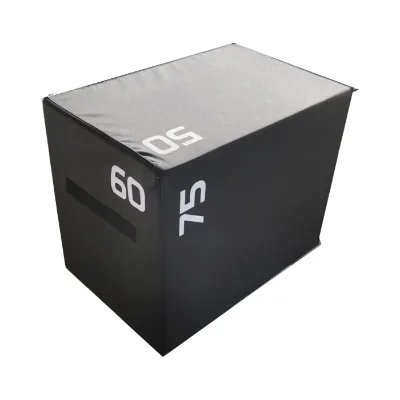
The market for adjustable anti-slip workout boxes presents a diverse landscape of equipment designed to enhance plyometric training, strength conditioning, and functional fitness. When sourcing these items, buyers must first distinguish between rigid structural models and soft, foldable alternatives, as the application dictates the necessary material properties. The observed product data reveals distinct categories, including the "Adjustable Squat Box" and the "3 in 1 Soft Plyo Jump Box," each serving specific training needs. The rigid variants, such as the model identified as GL-PB020, typically feature a main tube size of 50x50x2.0mm, indicating a steel frame construction designed for high-impact durability. In contrast, soft plyo boxes, like the PB-3000 series, often utilize high-density foam or fabric composites to provide a safer landing surface for athletes.
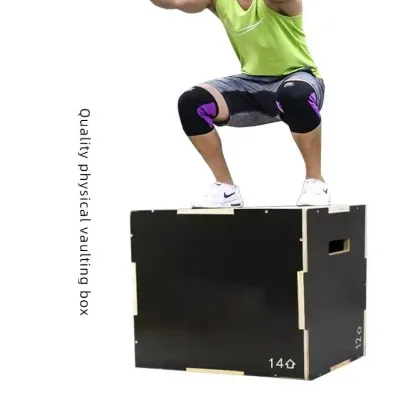
A critical specification for any adjustable unit is the dimensional flexibility. The data indicates that certain models offer height adjustments ranging from 15 cm to 60 cm, allowing users to progress through various training intensities without requiring multiple units. Specific standard dimensions observed include configurations like 50x60x75 cm and imperial measurements such as 12x14x16 inches, 16x20x24 inches, and 20x24x30 inches. Buyers must verify that the "adjustable" claim is supported by a robust locking mechanism or a modular stacking system that prevents slippage during dynamic movements. The "Anti-Slip" attribute mentioned in the core keyword is paramount; while the provided facts list "Durable/Eco-Friendly/Safe" as general features, the specific anti-slip performance relies on the surface texture of the box and the friction coefficient of the material used, which must be verified through supplier testing data rather than assumed.
Technical Standards and Dimensional Verification
When evaluating the technical integrity of an adjustable workout box, the focus must shift from marketing terminology to verifiable physical standards. The supplied facts highlight specific standard dimensions, such as 56.5x56x(34.5-47.2) cm for one variant and 90x75x(15/30/45/60) cm for another. These figures represent the footprint and the variable height capabilities. For procurement purposes, it is essential to confirm that the stated dimensions are consistent across the entire production batch. Variations in the main tube thickness, such as the 2.0mm specification noted for the GL-PB020 model, directly correlate with the load-bearing capacity of the unit. A thinner gauge may compromise stability during heavy jumps, while a thicker gauge adds unnecessary weight and cost.
Buyers should also scrutinize the assembly requirements. The data indicates a split in the market where some units are "Not Assembled" while others are delivered "Assembling" or fully assembled. This distinction impacts logistics costs and the time required for the end-user to deploy the equipment. For the "Not Assembled" category, the clarity of the assembly instructions and the quality of the fasteners become critical quality control points. Furthermore, the "Medium" size designation and specific height options like 15/30/45/60 cm suggest that the product line is tailored for different user demographics, from beginners to advanced athletes. The "Suitable for: Both" attribute implies versatility in usage, potentially meaning the box is appropriate for both indoor and outdoor environments, a claim that must be validated against the material's resistance to UV degradation and moisture.
Cost Drivers and Pricing Dynamics
The pricing structure for adjustable anti-slip workout boxes is influenced by several key variables, primarily material composition, customization levels, and order volume. The observed price range in the market spans from $19.72 to $300, a significant variance that reflects the difference between basic soft boxes and heavy-duty, adjustable steel-frame systems. The lower end of the spectrum likely corresponds to simple, non-adjustable soft plyo boxes or basic rigid units with minimal features. The higher price points are generally associated with complex adjustable mechanisms, premium anti-slip coatings, and extensive customization options such as custom logos and colors.
The Minimum Order Quantity (MOQ) is another critical cost driver. The data shows an MOQ range from 1 to 100 units, with specific instances of 50 PCS noted for certain models. Suppliers offering lower MOQs often charge a premium per unit to cover the administrative and setup costs of smaller production runs. Conversely, buyers committing to higher volumes can negotiate better pricing, though they must manage inventory risks. Customization is a major factor in cost escalation; the availability of "Customized Logo" and "Customized Color" options adds value but increases the unit price. Buyers must weigh the marketing benefits of branding against the budget constraints. Additionally, the origin of the product, identified as Jiangsu, China, for several models, suggests that shipping costs and import duties will be significant components of the total landed cost, especially for buyers outside of Asia.
Compliance, Safety, and Certification Checks
Safety is the non-negotiable priority when sourcing fitness equipment, particularly for products designed for high-impact activities like jumping and squatting. While the provided facts list "Safe" as a general feature, this is an observation rather than a certified guarantee. Buyers must explicitly request third-party test reports that verify the stability and structural integrity of the adjustable mechanisms. The "Warranty: 1 Years" attribute found in the data provides a baseline for manufacturer confidence, but it does not replace the need for independent safety certifications.
Compliance checks should focus on material safety and fire resistance. For soft plyo boxes, the foam density and fabric flammability ratings must meet the safety standards of the target market, such as the US or EU regulations. For rigid metal boxes, the powder coating process should be verified to ensure it is free from harmful chemicals like lead or cadmium. The "Eco-Friendly" attribute mentioned in the product features suggests that some manufacturers may use sustainable materials, but buyers should ask for specific documentation regarding the sourcing of raw materials and the recyclability of the product. Furthermore, the "OEM & ODM: Yes" and "Accpet" (Accept) OEM status indicate that suppliers are willing to tailor products, but this also means the buyer is responsible for ensuring that the custom design meets all local safety regulations. Without specific certification data in the source text, buyers must treat all safety claims as unverified until validated by a qualified laboratory.
Supplier Evaluation and Operational Capabilities
Selecting the right supplier requires a deep dive into their operational capabilities beyond the basic product listing. The data indicates that suppliers are located in Jiangsu, China, a region known for its manufacturing infrastructure. However, the presence of multiple models with similar names, such as "Plyo Box," "Soft Jump Box," and "Jump Box," suggests a fragmented market with many potential vendors. Buyers should evaluate suppliers based on their ability to handle customization requests, as the "Customization: Available" and "Logo: Customized Logo Availabled" attributes are common.
The "On Demand" packing option for the TSJ-01 model highlights a supplier's flexibility in logistics. This capability is crucial for buyers who need to optimize container space or require specific branding on the packaging. However, the "Brown Carton" packing for other models suggests a standard approach that may not be suitable for premium branding. Buyers should assess the supplier's capacity to maintain consistent quality across different production runs, especially when dealing with adjustable mechanisms that have moving parts. The "Condition: New" attribute is standard but serves as a reminder to inspect the goods upon arrival for any signs of damage or wear. Additionally, the "Assembling" status of certain models means the supplier must provide clear, multilingual assembly instructions to ensure the end-user can set up the equipment safely.
Quality Control and Long-Term Procurement Strategy
Implementing a robust quality control (QC) protocol is essential for mitigating the risks associated with sourcing adjustable workout boxes. Given the dynamic nature of the product, QC should focus on the durability of the adjustment mechanisms and the integrity of the anti-slip surface. Buyers should conduct pre-shipment inspections that include stress testing the locking pins or hinges to ensure they do not fail under load. For soft boxes, the QC process should involve checking for seam strength and foam compression recovery.
Long-term procurement considerations involve building a relationship with a supplier who can scale with the buyer's growth. The "OEM & ODM" capabilities suggest that suppliers are open to long-term partnerships, but buyers must ensure that the supplier has the capacity to maintain consistent lead times and quality standards as order volumes increase. The "1 Years" warranty is a starting point, but buyers should negotiate extended warranty terms or service level agreements for bulk orders. Furthermore, the "Indoor,Outdoor" application capability means the product must withstand varying environmental conditions. Buyers should verify that the materials used are resistant to rust, UV fading, and moisture, particularly for outdoor use cases.
| Feature Category | Key Verification Points | Supplier Expectation |
|---|---|---|
| Dimensions | Verify 50x60x75cm or 90x75x(15-60)cm accuracy | Tolerance within ±1% of stated standard |
| Material | Confirm tube thickness (e.g., 2.0mm) or foam density | Provide mill test reports or density certificates |
| Safety | Test anti-slip coefficient and structural stability | Submit third-party lab test results |
| Customization | Validate logo placement and color matching | Provide digital proofs before mass production |
| Packaging | Check carton strength and assembly instructions | Ensure "1set/Brown Carton" integrity |
| Warranty | Review terms for 1-year coverage | Clarify claim process and replacement policy |
In conclusion, sourcing adjustable anti-slip workout boxes requires a meticulous approach that balances technical specifications, safety compliance, and cost efficiency. By focusing on the verified data points such as model numbers, dimensions, and material standards, buyers can navigate the market effectively. The diversity of products, from the GL-PB020 rigid frame to the PB-3000 soft variants, offers solutions for various training environments, but the ultimate success of the procurement depends on rigorous supplier evaluation and quality assurance protocols.
FAQs
What are the standard dimensions for adjustable workout boxes?
Standard dimensions vary by model, with options like 50x60x75 cm or 90x75x(15-60) cm. Specific units such as the GL-PB020 feature a main tube size of 50x50x2.0mm, while soft plyo boxes often come in imperial sizes like 20x24x30 inches.
Can I customize the logo and color of the product?
Yes, customization is available for both logos and colors. Buyers can request customized logos and select black or other customized colors, though this may affect the unit price and requires digital proofs before mass production.
What is the minimum order quantity for these boxes?
The minimum order quantity ranges from 1 to 100 units depending on the supplier and model. Specific models like the PB-3200 have an MOQ of 50 pieces, while other variants may accept smaller orders with potentially higher per-unit costs.
How is the product packed and shipped?
Most units are packed in brown cartons, with one set per carton for models like the GL-PB020. Some suppliers offer on-demand packing options, and buyers should verify if the product arrives fully assembled or requires user assembly.
Where are these adjustable boxes manufactured?
The products originate from Jiangsu, China, and other locations within China. This regional concentration allows for efficient manufacturing but requires buyers to account for shipping costs and import duties when calculating the total landed cost.
What warranty is provided for the workout boxes?
A standard warranty of one year is provided for many models in the product line. This warranty covers manufacturing defects but does not replace the need for independent safety certifications or third-party test reports for structural integrity.
Are these boxes suitable for both indoor and outdoor use?
Yes, the products are designed for both indoor and outdoor applications. However, buyers must verify material resistance to UV degradation and moisture, as the general safe feature does not guarantee long-term durability in harsh outdoor environments.